
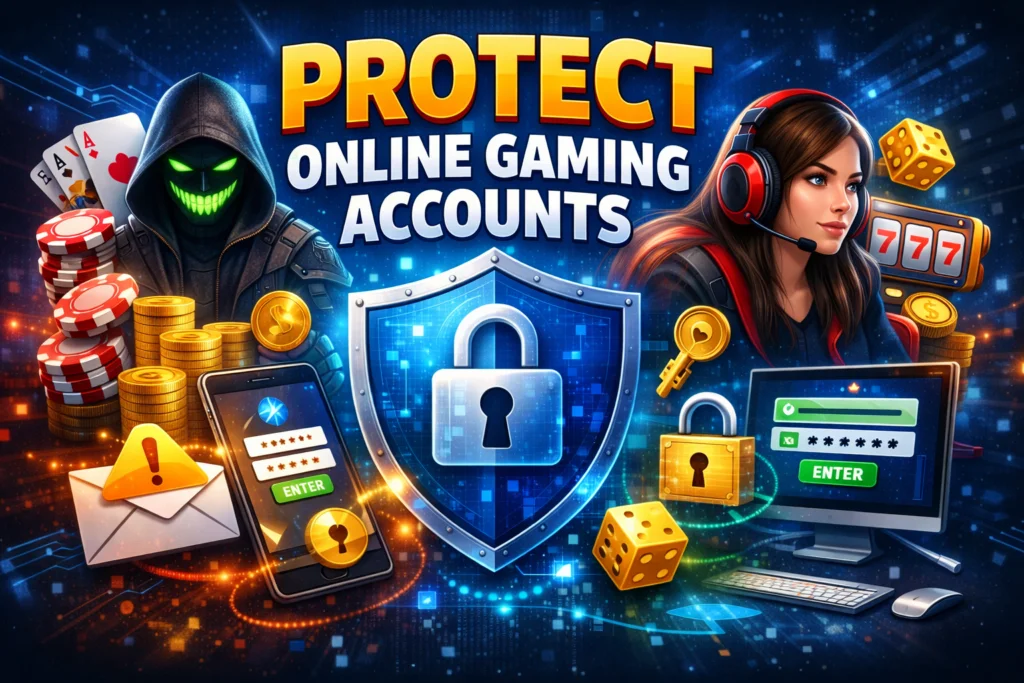
Online gaming has become a big part of our daily entertainment. From multiplayer action games to online casino apps and skill-based platforms, millions of players log in every day to play, compete, and sometimes earn real money. But as gaming grows, so do cyber threats. Hackers, scammers, and account thieves are always looking for weak security to exploit.
Losing an online gaming account can be frustrating and costly. You may lose in-game progress, virtual items, rewards, or even real money. That’s why protecting your gaming accounts is no longer optional—it’s essential. In this guide, we’ll break down practical, easy-to-follow ways to keep your online gaming accounts safe.
Why Online Gaming Accounts Are a Target
Many gamers underestimate the value of their accounts. In reality, gaming profiles can be very attractive to hackers.
Online gaming accounts often contain:
- Personal details (email, phone number)
- Payment information
- Virtual currency and rare items
- High-level characters or achievements
- Access to linked social media or casino wallets
For casino and betting apps, the risk is even higher because real money is involved. Attackers who gain access can drain balances, change account details, misuse no deposit bonuses, or even sell the account on underground platforms.
Use Strong and Unique Passwords
This is the most basic rule, yet it’s also the most ignored.
What makes a strong password?
- At least 12 characters long
- A mix of uppercase and lowercase letters
- Numbers and special symbols
- No common words or predictable patterns
Avoid using:
- Your name or username
- Birthdates or phone numbers
- Simple combinations like “123456” or “password”
One password per account
Never reuse the same password across multiple gaming platforms. If one site gets hacked, all your accounts become vulnerable.
Using a password manager can help you generate and store strong passwords safely without having to remember them all.
Enable Two-Factor Authentication (2FA)
Two-factor authentication adds an extra layer of security. Even if someone steals your password, they still won’t be able to log in without the second verification step.
Most gaming platforms now offer 2FA through:
- SMS codes
- Email verification
- Authentication apps like Google Authenticator
Always enable 2FA wherever it’s available, especially for:
- Online casino apps
- Wallet-based gaming platforms
- Accounts linked to payment methods
This single step can block most hacking attempts.
Be Careful With Third-Party Apps and Mods
Many gamers download mods, APK files, or third-party tools to unlock features or gain advantages. While some are safe, many are designed to steal login data.
Risks of unsafe third-party apps:
- Keylogging (recording your keystrokes)
- Fake login screens
- Malware hidden inside APK files
- Automatic data sharing without permission
How to stay safe:
- Download apps only from trusted sources
- Avoid mods that ask for account login details
- Never install unknown plugins or cheat tools
- Check app permissions carefully
If a mod promises “free coins” or “unlimited money,” it’s usually a scam.
Watch Out for Phishing Scams
Phishing is one of the most common ways gaming accounts get stolen. Scammers trick players into giving away their login details.
Common phishing tactics:
- Fake emails claiming your account is suspended
- Messages offering free rewards or bonuses
- Fake login pages that look like official sites
- Social media DMs pretending to be game support
How to spot a phishing attempt:
- Poor grammar or urgent language
- Suspicious links
- Requests for passwords or OTPs
- Unofficial sender addresses
Always log in directly through the official app or website. Never click random links sent through messages or emails.
Secure Your Email Account First
Your email is the key to your gaming accounts. If someone gains access to your email, they can reset passwords and take over everything.
Email security checklist:
- Use a strong, unique password
- Enable two-factor authentication
- Monitor login activity
- Avoid using your gaming email for random websites
It’s a good idea to use a dedicated email address only for gaming and casino platforms. This reduces exposure and makes monitoring easier.
Keep Your Devices Protected
Even the most secure gaming account can be compromised if your device is infected.
Protect your device by:
- Installing reliable antivirus software
- Keeping your system updated
- Avoiding cracked software and pirated games
- Scanning downloaded files regularly
Mobile gamers should:
- Update apps from official sources
- Avoid granting unnecessary permissions
- Lock phones with PIN, fingerprint, or face ID
A clean device is the foundation of account security.
Avoid Public Wi-Fi for Gaming Accounts

Public Wi-Fi networks are convenient but risky. Hackers can intercept data on unsecured networks.
Avoid logging into gaming or casino accounts on:
- Free café Wi-Fi
- Airport networks
- Public hotspots
If you must use public Wi-Fi:
- Use a trusted VPN
- Avoid entering passwords or payment details
- Log out immediately after use
A secure network protects your login information from being exposed.
Monitor Account Activity Regularly
Don’t wait until something goes wrong. Regularly checking your account can help you spot issues early.
What to monitor:
- Login history
- Unusual IP locations
- Unexpected balance changes
- Unknown in-game actions
If you notice anything suspicious:
- Change your password immediately
- Log out of all sessions
- Contact customer support
Early action can prevent permanent loss.
Don’t Share Account Details With Anyone
This may sound obvious, but many accounts are lost due to “trusted” sharing.
Never share:
- Login credentials
- One-time passwords
- Verification codes
- Recovery emails
Even friends or teammates should not have access. Most platforms clearly state that account sharing violates their terms and can lead to permanent bans.
Use Official Customer Support Only

When you need help, always contact official support channels.
Avoid:
- Fake support accounts on social media
- Random Telegram or WhatsApp “admins”
- Unverified help groups
Real support teams will never ask for:
- Your password
- OTP codes
- Full payment details
If someone does, it’s a scam.
Backup Important Account Information

Keeping a record of essential details can help recover your account if something goes wrong.
Keep safe records of:
- Registered email
- Username and ID
- Transaction history
- Recovery codes (if provided)
Store this information offline or in a secure password manager.
Update Security Settings Regularly
Security is not a one-time setup. Platforms update their systems, and new threats appear constantly.
Make it a habit to:
- Review privacy settings
- Update passwords every few months
- Enable new security features when available
- Read official security notices from the platform
Staying proactive keeps your account protected long-term.
Final Thoughts
Online gaming should be fun, not stressful. Protecting your gaming accounts doesn’t require technical skills—just awareness and good habits. Strong passwords, two-factor authentication, safe downloads, and cautious behavior can block most threats.
Whether you play casual mobile games or real-money casino platforms, security should always come first. A few minutes spent securing your account can save you from losing months or years of progress.
Play smart, stay alert, and enjoy gaming with peace of mind.


