

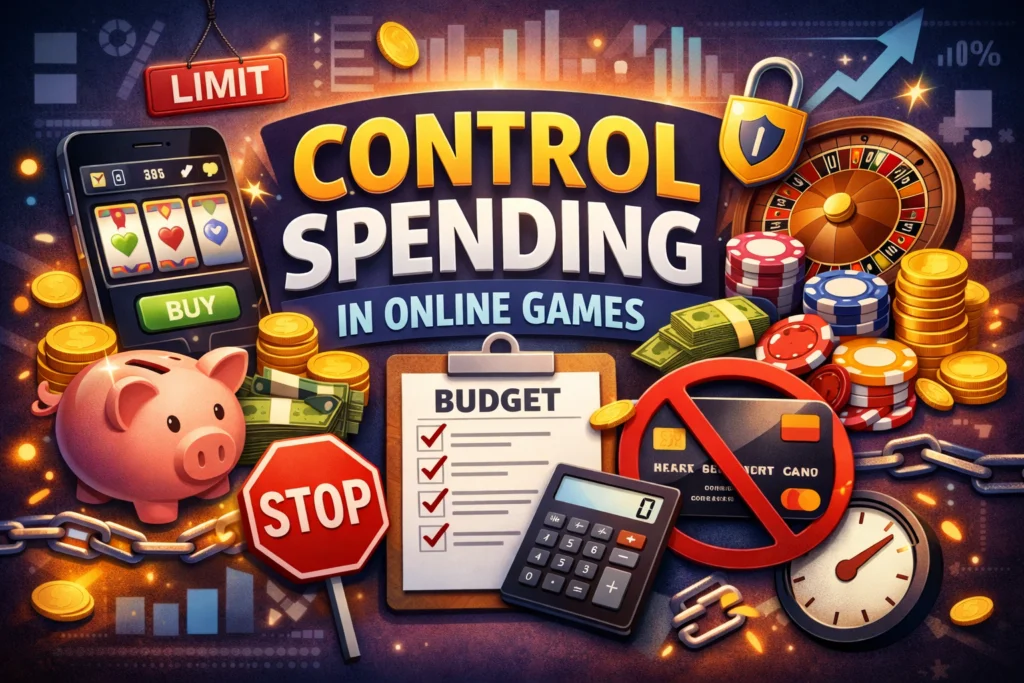
Online games have become more immersive, competitive, and rewarding than ever. From multiplayer battle arenas to casino-style mobile apps, players are spending more time—and often more money—inside virtual worlds. While spending money in games isn’t automatically a bad thing, problems start when small purchases turn into uncontrolled habits.
Controlling spending in online games is not about quitting gaming altogether. It’s about building smart habits, protecting your finances, and enjoying games without stress or regret. Whether you play casual mobile games, competitive titles, or casino platforms such as juwa, this guide will help you take control of your gaming expenses.
Why Online Games Encourage Spending
Before learning how to control spending, it’s important to understand why games are designed to encourage purchases.
Most online games rely on in-game purchases for revenue. These can include:
- Virtual currency
- Skins, characters, or power-ups
- Battle passes or premium memberships
- Loot boxes or spins
Casino-style games take this further by combining entertainment with real-money stakes. Many players are drawn in by flashy visuals, rewards, and the hope of winning big—especially when playing on platforms promoted as the best online casino experiences.
Game developers also use psychological triggers like limited-time offers, daily rewards, and progress blocks to encourage quick spending decisions.
Set a Clear Gaming Budget
The most effective way to control spending in online games is to set a strict budget.
Decide in advance:
- How much you can afford to spend weekly or monthly
- Whether gaming expenses come from entertainment money only
- What happens when the limit is reached
Treat gaming the same way you treat movies, dining out, or subscriptions. Once the budget is gone, stop spending—no exceptions.
Using prepaid cards or digital wallets instead of credit cards can help you avoid overspending, especially on casino-based games or apps like juwa, where purchases can happen quickly.
Separate Fun Money from Essential Expenses
Never mix gaming expenses with essential funds like rent, bills, savings, or emergency money. This is a critical rule, especially for online casino games.
If you enjoy trying your luck on casino apps, limit yourself to a fixed “fun amount.” Many players get into trouble by chasing losses, which leads to impulsive spending and frustration.
Even platforms that advertise attractive deals or claim to be the best online casino should be approached with financial discipline.
Track Your In-Game Spending Regularly
Many players underestimate how much they actually spend in online games.
Make it a habit to:
- Review app store purchase history
- Check monthly statements
- Note small transactions that add up
A few dollars here and there may not feel like much, but over time it can turn into a large expense.
Tracking spending gives you awareness—and awareness leads to control.
Avoid Impulse Purchases
Games are designed to push impulse buying. Flash sales, countdown timers, and “last chance” offers are common tactics.
Before buying anything, ask yourself:
- Do I really need this item?
- Will this improve my enjoyment long-term?
- Would I still want it tomorrow?
If the answer is no, skip it.
This is especially important in casino-style games where emotional decisions can lead to unnecessary losses, even when offers like a No deposit bonus make it seem risk-free.
Use Parental Controls and Spending Limits
Most platforms now offer tools to control spending:
- App store purchase limits
- Password-protected payments
- Monthly caps
- Notifications for transactions
Even adults benefit from these tools. Setting limits adds a layer of friction that gives you time to think before spending.
If children or teenagers play on your device, these controls are essential to protect online gaming accounts and prevent accidental purchases.
Understand the Risks of Casino-Style Games
Online casino games deserve special attention when it comes to spending control.
Unlike traditional video games, casino games involve:
- Real-money stakes
- Random outcomes
- Emotional highs and lows
Platforms like juwa or similar casino apps often promote rewards, bonuses, and fast-paced gameplay. While these games can be entertaining, they also make it easy to lose track of money.
Always remember:
- The house always has an advantage
- Bonuses don’t guarantee wins
- Losses can happen quickly
Even if a platform markets itself as the best online casino, responsible spending should always come first.
Be Smart with Bonuses and Promotions

Bonuses can be helpful—but only if you understand them.
A No deposit bonus may allow you to try a game without spending upfront, which sounds ideal. However, many bonuses come with conditions such as:
- Wagering requirements
- Withdrawal limits
- Time restrictions
Never spend extra money just to “unlock” a bonus. If it doesn’t fit your budget, walk away.
Use bonuses as entertainment, not as a strategy to make money.
Take Regular Breaks from Gaming
Spending control isn’t only about money—it’s also about mindset.
Playing for long hours increases the chances of:
- Impulse purchases
- Emotional decisions
- Chasing losses
Schedule breaks, set playtime limits, and avoid gaming when you feel stressed, tired, or upset.
Stepping away clears your head and helps you make smarter choices—especially when money is involved.
Protect Your Gaming Accounts
Account security plays a major role in spending control.
If your account is compromised, unauthorized purchases can drain your funds quickly. To protect online gaming accounts, always:
- Use strong, unique passwords
- Enable two-factor authentication
- Avoid suspicious links or fake offers
- Download apps only from trusted sources
This is particularly important for casino platforms and games connected to payment methods.
Know When to Stop Playing
One of the hardest but most important skills is knowing when to stop.
Warning signs include:
- Spending more than planned
- Feeling anxious or guilty after playing
- Chasing losses
- Hiding gaming expenses
If gaming starts to feel stressful instead of fun, it’s time to pause. There’s no shame in stepping back or even uninstalling a game for a while.
Entertainment should add value to your life—not create financial pressure.
Choose Games That Respect Players
Not all games are designed the same way. Some focus heavily on aggressive monetization, while others prioritize fair gameplay.

When choosing games:
- Read reviews
- Check spending complaints
- Avoid games that block progress without payment
Even in the casino space, some platforms offer better transparency and player controls than others. Just because an app claims to be the best online casino doesn’t mean it’s the right fit for you.
Balance Gaming with Real-Life Goals
Finally, put gaming in perspective.
Ask yourself:
- Does this spending align with my goals?
- Could this money be used better elsewhere?
- Is gaming enhancing my life or replacing other priorities?
Gaming is a hobby, not an obligation. When balanced properly, it can be fun, social, and rewarding—without hurting your finances.
Final Thoughts
Controlling spending in online games is all about awareness, discipline, and smart habits. Whether you enjoy casual mobile games or casino-style platforms like juwa, the key is to stay in control—not let the game control you.
Set clear budgets, track your expenses, use security tools to protect online gaming accounts, and be cautious with promotions such as a No deposit bonus. Even when exploring what’s marketed as the best online casino, responsible play should always come first.
When gaming stays within your limits, it remains what it’s meant to be: entertainment, not stress.